

How ADUs Provide Safe Homes for Our Veterans
Updated: Feb 27
In recent years, the conversation around housing for veterans has gained significant traction. Many veterans face challenges when reintegrating into civilian life, and one of the most pressing issues is finding safe and affordable housing. Access to stable housing is crucial for veterans to rebuild their lives, and one innovative solution is the construction of Accessory Dwelling Units (ADUs). These small, secondary housing units can be built on existing residential properties and offer a unique opportunity to provide safe homes for our veterans.
Understanding Accessory Dwelling Units (ADUs)
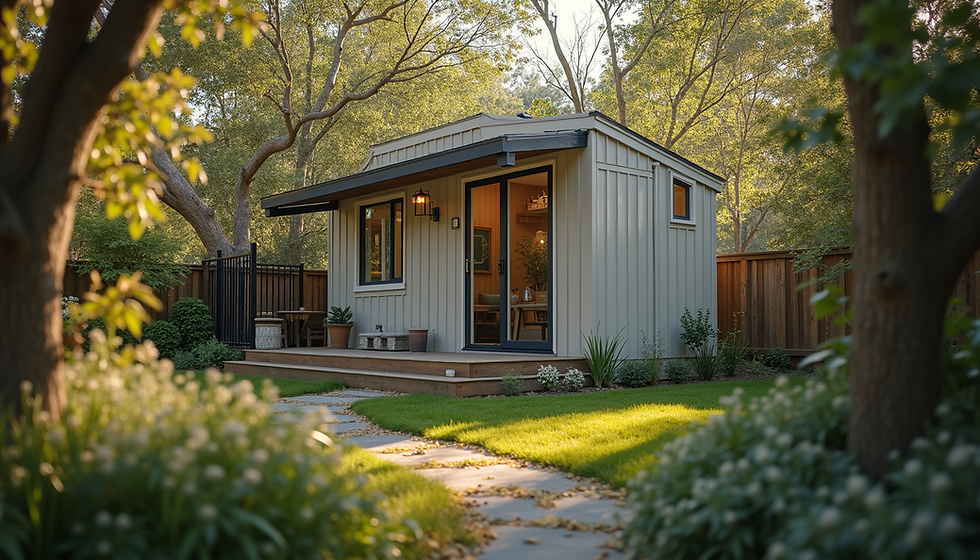
ADUs are self-contained living spaces that can be attached to or detached from a primary residence. They come in various forms, including:
Basement apartments
Converted garages
Standalone tiny homes
ADUs are often more affordable than traditional housing options, making them an attractive choice for veterans who may be on a fixed income or facing financial difficulties.
Benefits of ADUs for Veterans
Affordability
The cost of living can be overwhelming, especially for veterans transitioning to civilian life. ADUs provide a more affordable housing option, allowing veterans to live independently without the burden of high rent or mortgage payments.
Community Support
Living in an ADU on a family member's property can foster a sense of community and support. Veterans can benefit from the presence of family while maintaining their independence, which can be crucial for mental well-being.
Flexibility
ADUs can be designed to meet the specific needs of veterans, including accessibility features for those with disabilities. This flexibility allows for personalized living spaces that cater to individual requirements.
Increased Housing Supply
As cities face housing shortages, ADUs can help alleviate some of the pressure by increasing the number of available homes. This is particularly beneficial in urban areas where housing costs are skyrocketing.
Potential for Income Generation
Veterans who own property can rent out their ADUs, providing an additional income stream. This can be especially helpful for those on a fixed income or looking to supplement their retirement savings.

The Impact of Housing on Veterans' Well-Being
Stable housing is not just about having a roof over one’s head; it significantly impacts mental and physical health. Many veterans struggle with PTSD, anxiety, and depression. A safe and stable home environment can provide the foundation for healing and recovery.
Case Study: Veterans and ADUs
Consider the story of John, a veteran who returned home after serving overseas. Struggling with PTSD and finding it difficult to reintegrate into civilian life, John faced challenges in securing stable housing. His family decided to build an ADU in their backyard, providing him with a safe space to live while still being close to them for support.
The ADU was designed with John's needs in mind, featuring soundproofing and accessibility modifications. This arrangement allowed John to regain his independence while having a support system nearby. Over time, he found stability, began attending therapy, and even started volunteering at a local veterans' organization.
Overcoming Challenges in ADU Development
While the benefits of ADUs are clear, there are challenges to their development, particularly in relation to zoning laws and regulations. Many areas have strict regulations that can hinder the construction of ADUs.
Navigating Zoning Laws
Research Local Regulations
Before considering an ADU, it’s essential to research local zoning laws. Some areas may have restrictions on the size, height, or even the purpose of ADUs.
Engage with Local Authorities
Building relationships with local government officials can help navigate the permitting process. They can provide guidance on what is permissible and what isn’t.
Community Engagement
Engaging with the community can also help garner support for ADU projects. Hosting informational sessions can help educate neighbors about the benefits of ADUs and alleviate concerns.
Funding Options for ADUs
Financing the construction of an ADU can be a significant hurdle. Fortunately, there are various funding options available for veterans looking to build an ADU.
VA Loans
Veterans can utilize VA loans to finance the construction of an ADU. These loans often come with favorable terms, including no down payment and no private mortgage insurance (PMI).
Grants and Assistance Programs
Several organizations offer grants and assistance programs specifically for veterans. These can help cover the costs associated with building an ADU. Researching local and national programs can uncover valuable resources.
Crowdfunding
In some cases, veterans have turned to crowdfunding platforms to raise money for their ADU projects. This approach can be particularly effective when the community is supportive and willing to contribute.
The Role of Nonprofits in Supporting Veterans
Numerous nonprofit organizations are dedicated to helping veterans secure safe housing. These organizations often provide resources, funding, and support for veterans looking to build ADUs.
Examples of Nonprofits
Homes for Our Troops
This organization builds specially adapted homes for severely injured veterans, ensuring they have a safe and accessible living environment.
The Home Depot Foundation
This foundation supports veterans by providing grants for housing projects, including ADUs, to help improve their living conditions.
Veterans Housing Initiative
This initiative focuses on creating affordable housing solutions for veterans, including the promotion of ADUs as a viable option.
Community Initiatives and Support
Communities can play a vital role in supporting veterans through the development of ADUs. Local governments and organizations can collaborate to create programs that facilitate the construction of ADUs and provide resources for veterans.
Examples of Community Initiatives
Zoning Reforms
Some cities have implemented zoning reforms to make it easier for homeowners to build ADUs. These reforms can include streamlined permitting processes and reduced fees.
Workshops and Training
Offering workshops on ADU construction can empower veterans and their families with the knowledge needed to navigate the building process.
Partnerships with Builders
Collaborating with local builders can help reduce construction costs and ensure that ADUs are built to meet the specific needs of veterans.
Conclusion
Accessory Dwelling Units present a promising solution to the housing challenges faced by our veterans. By providing affordable, flexible, and supportive living spaces, ADUs can help veterans regain their independence and improve their overall well-being.
As communities and organizations come together to support the development of ADUs, we can create a brighter future for those who have served our country. If you are a veteran or know a veteran in need of housing, consider exploring the option of an ADU. Together, we can ensure that our veterans have safe homes where they can thrive.

Comments