

Building ADUs: Supporting Veterans with Affordable Housing
Updated: Feb 27
Affordable housing is a pressing issue in many communities across the United States, and veterans often face unique challenges in securing stable living conditions. Access to affordable housing can significantly impact the well-being of veterans, many of whom return from service with limited resources and support. One innovative solution gaining traction is the construction of Accessory Dwelling Units (ADUs). These small, secondary housing units can provide veterans with affordable living options while also benefiting homeowners and communities.
In this blog post, we will explore how building ADUs can support veterans in need of affordable housing, the benefits of ADUs for homeowners, and practical steps for implementing ADU projects in your community.

Understanding ADUs
What Are Accessory Dwelling Units?
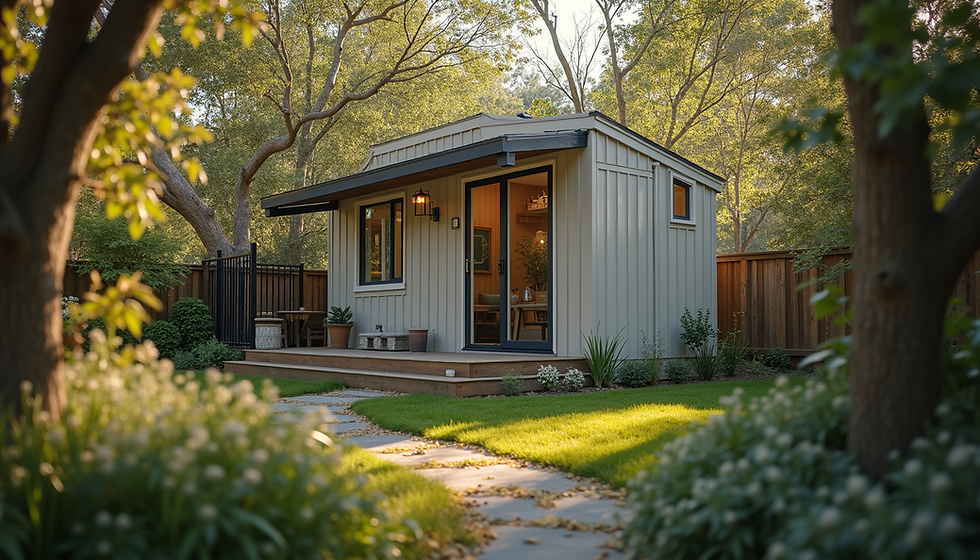
Accessory Dwelling Units, commonly referred to as ADUs, are secondary housing units located on the same lot as a primary residence. They can take various forms, including:
Detached units: Standalone structures separate from the main house.
Attached units: Extensions or additions to the primary home.
Converted spaces: Existing structures, such as basements or garages, repurposed into living spaces.
ADUs are typically smaller than the primary residence and can range from a few hundred to over a thousand square feet. They are designed to provide independent living spaces while sharing the same property.
The Need for Affordable Housing for Veterans
Many veterans return from military service and face challenges in finding affordable housing. According to the U.S. Department of Housing and Urban Development (HUD), veterans are more likely to experience homelessness than non-veterans. Factors contributing to this issue include:
Limited income: Many veterans struggle to find stable employment after returning from service.
Mental health challenges: Issues such as PTSD can make it difficult for veterans to reintegrate into civilian life.
Lack of support networks: Some veterans may not have family or friends to rely on for housing assistance.
By providing affordable housing options through ADUs, we can help address these challenges and create a supportive environment for veterans.
Benefits of ADUs for Veterans
Affordable Living Options
ADUs can offer veterans a more affordable housing solution compared to traditional rental properties. The lower cost of living in an ADU can help veterans allocate their limited resources to other essential needs, such as healthcare and education.
Independence and Privacy
Living in an ADU allows veterans to maintain their independence while still having access to support from family or friends in the primary residence. This arrangement can be particularly beneficial for veterans who may need assistance but still desire privacy.
Community Integration
ADUs can foster a sense of community by allowing veterans to live in familiar neighborhoods. This integration can help veterans build social connections and access local resources, such as veteran support services.
Benefits of ADUs for Homeowners
Additional Income Stream
Homeowners who build ADUs can generate rental income, helping to offset mortgage payments or other expenses. This additional income can be particularly valuable in areas with high housing costs.
Increased Property Value
Adding an ADU can increase the overall value of a property. Homeowners can benefit from the appreciation of their property while also contributing to the community by providing affordable housing options.
Flexibility in Use
ADUs can serve various purposes beyond housing veterans. Homeowners can use them as guest suites, home offices, or spaces for aging family members. This flexibility makes ADUs a valuable investment for homeowners.
Implementing ADU Projects in Your Community
Understanding Local Regulations
Before embarking on an ADU project, it is essential to understand local zoning laws and regulations. Many municipalities have specific guidelines regarding the construction of ADUs, including size restrictions, design requirements, and permitting processes. Homeowners should consult with local planning departments to ensure compliance.
Engaging with Veterans' Organizations
Collaborating with local veterans' organizations can help identify veterans in need of housing and provide valuable resources for the project. These organizations can assist with outreach, funding opportunities, and support services for veterans living in ADUs.
Securing Funding and Resources
Building an ADU can be a significant financial investment. Homeowners may explore various funding options, including:
Grants: Some organizations offer grants specifically for projects that support veterans.
Low-interest loans: Homeowners can seek loans with favorable terms to finance their ADU construction.
Crowdfunding: Engaging the community through crowdfunding platforms can help raise funds for the project.
Designing for Accessibility
When designing ADUs for veterans, it is crucial to consider accessibility features. This may include:
Wider doorways: To accommodate mobility aids.
Single-story layouts: To eliminate stairs.
Accessible bathrooms: With grab bars and roll-in showers.
By incorporating these features, homeowners can create a welcoming environment for veterans with varying needs.
Case Studies: Successful ADU Projects for Veterans
Example 1: The Veterans Housing Project in San Diego
In San Diego, a community initiative focused on building ADUs specifically for veterans has gained momentum. The project involves partnering with local builders and veterans' organizations to create affordable housing options. The initiative has successfully housed dozens of veterans, providing them with stable living conditions and access to support services.
Example 2: The ADU Program in Portland
Portland, Oregon, has implemented a program encouraging homeowners to build ADUs for veterans. The city offers financial incentives and streamlined permitting processes for homeowners who commit to renting their ADUs to veterans. This program has resulted in a significant increase in affordable housing options for veterans in the area.
Challenges and Considerations
Community Resistance
While ADUs can provide valuable housing options, some community members may resist their construction due to concerns about property values or neighborhood aesthetics. Engaging with the community early in the planning process can help address these concerns and foster support for ADU projects.
Funding Limitations
Securing funding for ADU projects can be challenging, especially for homeowners with limited financial resources. Exploring multiple funding sources and collaborating with local organizations can help overcome these barriers.
Maintenance and Management
Homeowners must consider the ongoing maintenance and management of ADUs. This includes ensuring the unit remains in good condition and addressing any tenant concerns. Establishing clear rental agreements and communication channels can help streamline this process.
Conclusion
Building Accessory Dwelling Units presents a promising solution to the affordable housing crisis facing veterans. By providing independent, affordable living options, ADUs can help veterans reintegrate into civilian life while also benefiting homeowners and communities.
As we work towards creating more inclusive housing solutions, it is essential to engage with local organizations, understand regulations, and consider the unique needs of veterans. Together, we can build a supportive environment that honors the sacrifices of those who have served our country.
By taking action today, we can pave the way for a brighter future for veterans and their families. Consider exploring ADU options in your community and support initiatives that prioritize affordable housing for those who have served.

Comments